
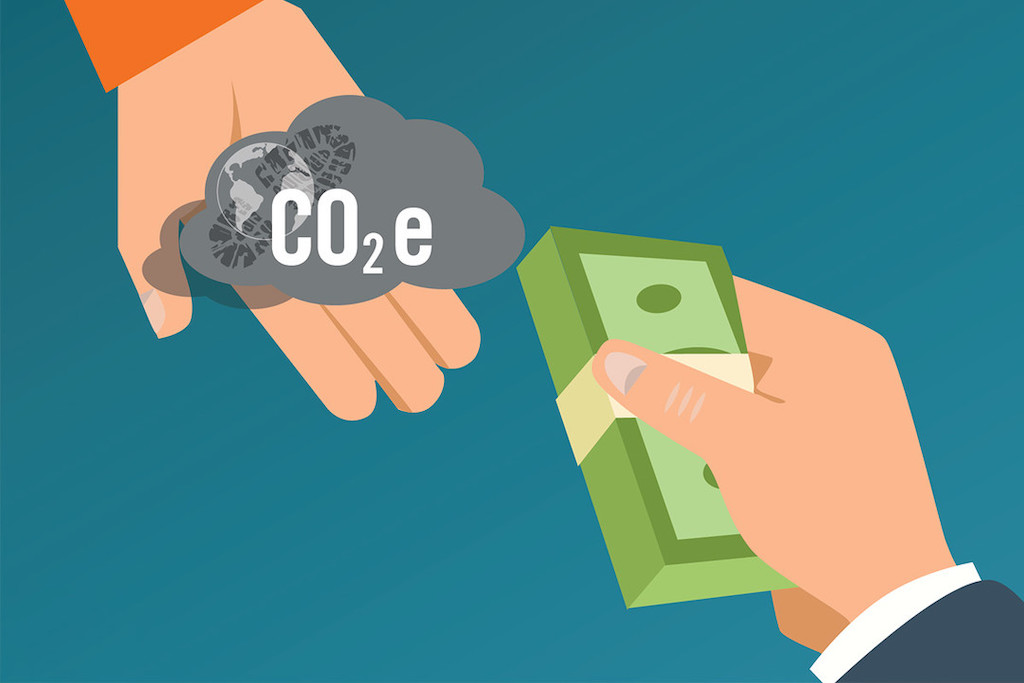
The Polluter Pays Principle provides that whoever is responsible for damage to the environment should bear the costs associated with the resultant damage. It is a curative approach to environmental management that focuses on repair of any damage caused to the environment.
Through this principle, organizations are forced to internalize the environmental costs associated with a particular program or project, with a view to appreciate both short-term and long-term impacts of the project while mitigating and or absorbing costs to the community.
The Rio Declaration on Environmental Development captures it under Principle 16, stating as follows; “National authorities should endeavor to promote the internalization of environmental costs and the use of economic instruments, taking into account the approach that the polluter should, in principle, bear the cost of pollution, with due regard to the public interest and without distorting international trade and investment.”
There are several elements of the polluter-pays principle. These include: a duty to prevent pollution, which creates a legal obligation for polluters to cover expenses associated with prevention; Reduction and correction of environmental harm; Emphasizing preventive actions thus encouraging proactive measures such as adopting best practices, embracing green technologies, and supporting pollution prevention initiatives; Full cost recovery which encompasses direct and indirect cleanup costs like impacts on ecosystems, public health, and economic consequences; Promoting justice and equality, which asserts that the financial responsibility for pollution should lie with the party causing the harm rather than being shouldered by the general public or taxpayers. It introduces economic incentives, discouraging environmentally harmful behaviors by holding polluters financially responsible.
The Trail Smelter Arbitration case between Canada and the United States appreciated the Principle by according Canada the responsibility to reduce and prevent damage from air pollution experienced in the American State of Washington following emission of fumes from a trail smelter owned and operated by a Canadian Corporation. The case held that it was the responsibility of the state to protect other states against harmful acts by individuals from within its jurisdiction at all times.
By dint of Article 2(5) of the Constitution of Kenya, the Principles of environmental law as captured in the Rio Declaration on Environment and Development are enforceable in Kenya. Furthermore, the Kenyan constitution highlights the state’s responsibility to ensure sustainability in environmental exploitation, usage, management, and protection, laying the groundwork for the polluter-pays principle. The constitution embraces the principle under Article 70(2) requiring for the compensation of victims of a violation of the right to a clean and healthy environment. Under Section 25(4) and 25(5) of the Environment Management and Coordination Act, NEMA has authority to recover expenses from the responsible party for environmental damage. This creates a financial safety net and compensation mechanism, reinforcing accountability for unknown polluters. Section 108 of EMCA provides for environmental restoration orders that can be issued by NEMA to deal with cases of pollution.
Section 3(5)(e) of the Environment Management and Coordination Act provides for the polluter pays principle to be applied as a guiding principle by the courts when deciding environmental matters. A notable case illustrating the application of PPP is Peter K. Waweru v. Republic. The accused faced charges related to violating the Public Health Act by discharging raw sewage into a public water source and neglecting to comply with statutory notices. The court, referencing Principle 16 of the Rio Declaration, directed authorities to implement the “polluter pays principle,” holding the responsible parties financially accountable for the environmental damage.
The Environment and Land Court addressed the polluter pays principle in the case of National Environment Management Authority & 3 others v Maraba Lwatingu Residents Association & 505 other [2020] eKLR. This case regarded the cancellation of an EIA license that had approved the construction of sewage ponds by Lake Victoria by the National Environmental Tribunal. The appellants contended that the EIA license had been issued following proper procedure and that the tribunal had erred by requiring the second and fourth appellants to bear the cost of environmental restoration. In dismissing the appeal, the court appreciated the Polluter Pays principle and its application, making reference to the application of the principle in In the case of Michael Kibui & 2 others (suing on their own behalf as well as on behalf of the inhabitants of Mwamba Village of Uasin Gishu County) v Impressa Construzioni Giuseppe Maltauro SPA & 2 other [2019] eKLR where the court observed that; “The principle of polluter pays entails that a person involved in any polluting activity should be responsible for the costs of preventing or dealing with any pollution caused by that activity instead of passing them to somebody else. The polluter should bear the expenses of carrying out pollution prevention and control measures to ensure that the environment is in an acceptable state.’’ And held the first respondent liable as he was the polluter.